
编者按:在“龙东谈主”激勉咱们对旷古生命的遥想后,一场五千年前娴雅前夕的文化奇不雅,正穿越时空,向咱们发出深千里的叩问。当第三届良渚论坛在杭州召开,一场以文化遗产为引子的、与改日的对话再次开启。这不仅是面向畴昔的回望,更是关乎当代娴雅出路的探讨。算作新石器时期晚期的凸起代表,良渚文化的深层价值在于,它揭示出:在“娴雅”的标准叙事除外,东谈主类社会相同可能以另一种相貌走向复杂化。它以其经久未迈入训诫娴雅阶段的“未完成”景况,为咱们保留了一份珍稀的历史备选有经营。这一有经营赓续辅导咱们:历史的走向从来不是独一的,它也由此照射出当代娴雅发展旅途中那些被猖厥避讳的未必性与可能性。
考古学界常以城市造成、笔墨出现与金属冶真金不怕火算作商量“娴雅社会”的首要观念。按照这一标准来看,短少笔墨和青铜器的良渚,似乎难以被列于“娴雅”之列。可是,良渚的考古后果却迫使咱们再行念念考“娴雅”的界说。
考古商榷标明,良渚古城外围的水坝系统由11条堤坝组成,总长度约6.3公里,已被结合国教科文组织认定为“寰宇最早的大型水利系统之一”。这一弘大的水利工程,与古城盛大的方式、严格的社会等第轨制以及精致的玉器礼法共同组成了一套完满的娴雅体系。这一切都标明良渚社会在无需依赖笔墨与金属本领的前提下,依然构建出高度复杂而领悟的社会组织结构。它也揭示出:东谈主类娴雅的演进并非只存在一种范式,复杂社会完全不错在另一套文化逻辑上被构建和延续。
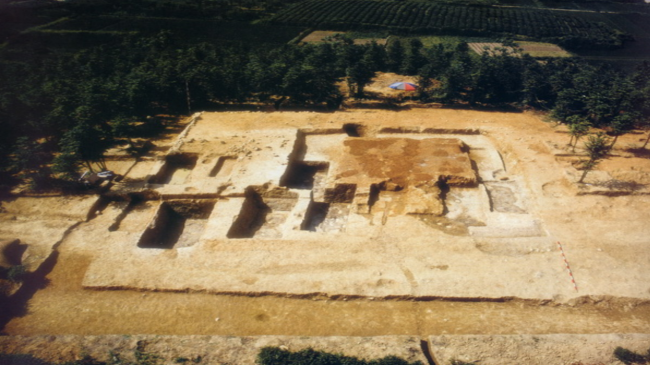
图为瑶山1987年揭示的祭坛顶面遗迹
若是说古代近东的娴雅模式强调本领与权利的都集,那么良渚则以信仰与治安的凝华力提供了另一种可能。良渚社会的运作,根植于一套私有的非笔墨编码系统。以玉琮、玉璧为中枢的礼器群,构建起一套整合了精神信仰与社会结构的完满体系。这套“玉礼体系”在莫得笔墨律法的时期,灵验地表率了东谈主与东谈主、东谈主与神、东谈主与社会的干系,成为维系社会结构的不雅念基础。而在推论层面,其浩大的水利工程,展现出强劲的集体动员和资源管控智商,组成了王权组织的物资基础。精神招供与社会勾通的紧密结合,让良渚走出了一条不同于古代近东娴雅的旅途,造成了一个与土产货生态深度相宜、更侧重于整合与治安的早期娴雅模子。
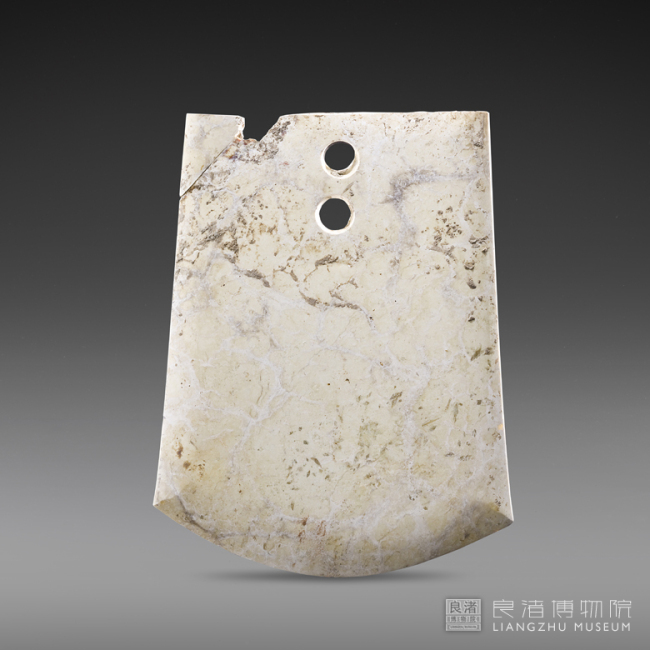
图为良渚文化玉钺(1986年反山管事发掘)
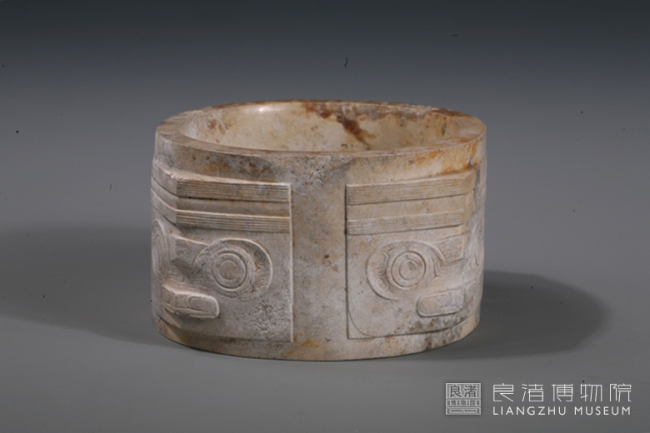
图为良渚文化玉琮(1987年瑶山管事发掘)
固然,良渚文化这一私有的文化试验,在多种身分的影响下未能迈入更高档的发展阶段,并最终在历史长河中归于千里寂。可是,一个娴雅的尊荣领先在于它仍是如斯色泽地存在过。良渚文化的“未完成”并非扫数的失败,而是一份私有的念念想遗产。它让咱们看见了历史主流叙事除外的另一种可能,也迫使咱们反念念:那些曾高度施展的文化试验,难谈仅因未汇入咱们线性的历史叙事,就应被绵薄地界说为“中断”或“殒命”吗?
站在后世的时分节点上回望,良渚文化固然莫得延续于今,但其文化构建的那套以神权为纽带的娴雅体系,历经嬗变与交融,早已融入华夏王朝国度的礼乐娴雅建构之中,成为青铜时期的精神先声。从礼法精神到国度惩办,它经久是“缘何中国”这一命题深处不能替代的文化基石。从这个酷爱上讲,大致咱们从未真是失去良渚。
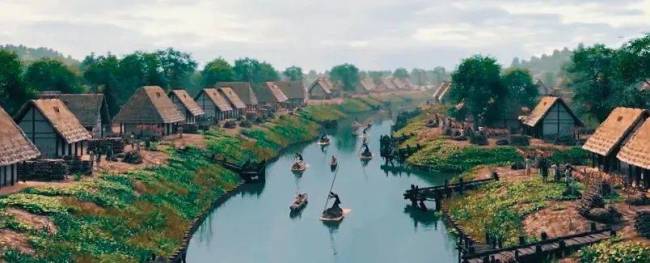
图为良渚古城河谈场景复兴图
良渚的存在,不仅冲击了传统的娴雅发源叙事,更让咱们得以窥见在“国度”这部弘大史诗揭幕之前,东谈主类社会曾进行过的各样预演。今天,咱们重拾良渚的文化遗产,其酷爱远不啻于怀古。在大家化濒临挑战、当代性有经营显流露疲态确当下,良渚这个迂腐的“他者”,为咱们提供了一面珍稀的参照镜子。它启示咱们,商量一个社会得手与否的维度,大致不错尽头对本领复杂度与膨胀智商的单一崇拜。良渚模式所展现出的精神定力、深厚的原土常识体系,以及与当然经久共生的推论,刚巧组成了对当代性逆境的一种迂腐回应。这些曾被主流娴雅叙事角落化的特色,大致恰是咱们轻率当下生态危急与酷爱危急时,亟待找回的聪慧。
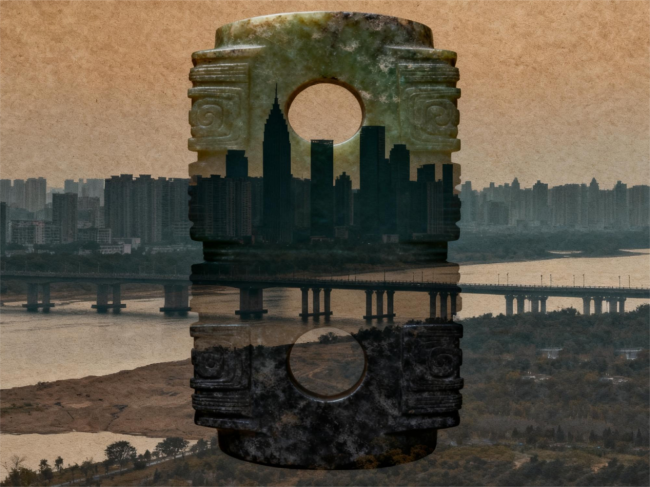
图为即梦AI生成的“良渚文化与当代娴雅”
因此,“娴雅重光”的真意,并非复刻某个逝去的文化标本,而是借良渚所代表的各样性与可能性,拓宽咱们面向改日的视线。它辅导咱们:东谈主类的改日,不应被敛迹在单一的发展模式里。看管文化遗产,恰是看管娴雅在漫永劫光中千里淀下的多元聪慧。今天,咱们对良渚的每一次回望,都是在进行一场跳跃时空的对话。咱们从中承接“缘何中国”的深厚根基,也怀着对娴雅各样性的敬畏,去愈加寂静领悟地探索东谈主类共同的改日。
撰稿东谈主:何博媛
The Re-illumination of Civilization: Liangzhu and the Other Possibility for History
Editor's Note: Following the "Homo longi" discovery that sparked our imagination about ancient life, a spectacular cultural marvel from the eve of civilization five millennia ago is now transcending time and space, issuing a profound challenge to us. As the third Liangzhu Forum opens in Hangzhou, a dialogue with the future, mediated by cultural heritage, begins anew. This is not merely a look back at the past but an exploration of the path forward for modern civilization. As an outstanding representative of the late Neolithic Age, the profound value of the Liangzhu Culture lies in its revelation that, beyond the standard narrative of "civilization," human society is equally capable of achieving complexity in alternative ways. Its "unfinished" state—arrested before fully transitioning into a mature civilization—preserves a precious, alternative blueprint for history.This alternative constantly reminds us that the trajectory of history is never singular, thereby reflecting the contingencies and possibilities in the development path of modern civilization that are often too easily obscured.
The archaeological community often uses the formation of cities, the emergence of writing, and metal smelting as key metrics for measuring "civilized society". Based on this standard, Liangzhu, which lacks both writing and bronze artifacts, might seem difficult to categorize as a "civilization". However, the archaeological findings at Liangzhu compel us to re-evaluate the very definition of "civilization".
Archaeological research shows that the large-scale dam system outside the ancient Liangzhu city was constructed of 11 embankments, totaling approximately 6.3 kilometers in length, and has been recognized by UNESCO as one of the "world's earliest large-scale water conservancy systems". This monumental hydraulic project, along with the vast layout of the ancient city, a strict social hierarchy, and an intricate ritual system centered on exquisite jade artifacts, constituted a complete system of civilization. All this demonstrates that the Liangzhu society established a highly complex and stable social organization without relying on writing or metal technology. It also reveals that the evolution of human civilization is not restricted to a single paradigm, and complex societies can indeed be built and sustained based on an alternative cultural logic.
If the civilization model of the ancient Near East emphasized the concentration of technology and power, Liangzhu offered an alternative possibility based on the cohesive force of belief and order. The functioning of Liangzhu society was rooted in a unique non-written encoding system. A group of ritual objects, primarily the Cong (a square-sectioned jade tube) and Bi (a circular jade disk), constructed a complete system integrating spiritual belief and social structure. This "Jade-based Ritual System" in an era without written law, effectively regulated the relationships between individuals, between people and the gods, and between people and society, becoming the ideological foundation that maintained the social structure. On a practical level, its colossal water conservancy project demonstrated a powerful capacity for collective mobilization and resource control, forming the material basis of the royal power structure. The close integration of spiritual identity and social cooperation allowed Liangzhu to forge a path different from the ancient Near East civilizations, establishing an early civilization model deeply adapted to its local ecology and focused more on integration and order.
Although this unique cultural experiment of the Liangzhu Culture ultimately failed to progress to a more advanced stage due to various factors and eventually fell into silence in the long river of history, the dignity of a civilization is first and foremost in its glorious existence. The "unfinished" state of the Liangzhu Culture is not an absolute failure but a unique intellectual legacy. It allows us to see an alternative possibility outside the mainstream historical narrative and forces us to reflect: should highly developed cultural experiments be simply defined as "interrupted" or "extinct" merely because they did not merge into our linear historical narrative?
Looking back from the vantage point of later history, while the Liangzhu Culture did not continue to the present day, the civilization system it constructed, bound by divine power, has undergone transformation and integration, becoming part of the ritual-music civilization of the Central Plains dynasties, serving as a spiritual precursor to the Bronze Age. From the spirit of ritual to state governance, it remains an irreplaceable cultural cornerstone at the core of the question, "Why is it China?" In this sense, perhaps we have never truly lost Liangzhu.
The existence of Liangzhu does not just challenge traditional narratives of civilization origins; it also offers a glimpse into the diverse rehearsals human society underwent before the grand historical epic of the "State" unfolded. Today, our renewed focus on Liangzhu's cultural heritage signifies far more than mere nostalgia. As globalization faces challenges and modern solutions show signs of exhaustion, Liangzhu, this ancient "Other," provides us with a valuable mirror for comparison. It enlightens us that the dimensions for measuring a society's success can perhaps transcend the singular adoration of technological complexity and expansion capability. The spiritual resolve, the profound indigenous knowledge system, and the practice of long-term coexistence with nature demonstrated by the Liangzhu model constitute an ancient response to the dilemmas of modernity. These traits, once marginalized by the mainstream civilization narrative, might be the very wisdom we urgently need to retrieve in addressing our current ecological and meaning crises.
Therefore, the true meaning of the "Re-illumination of Civilization" is not to replicate a lost cultural specimen, but to broaden our vision for the future by leveraging the diversity and possibilities that Liangzhu represents. It reminds us that the future of humanity should not be confined to a single development model. Protecting cultural heritage is precisely about safeguarding the diverse wisdom that civilization has precipitated over the ages. Today, every time we look back at Liangzhu, we are engaging in a cross-temporal dialogue. We understand the deep roots of "Why is it China?" and, with reverence for the diversity of civilizations, we explore the common future of humanity with greater composure and clarity.
上一篇:汽车行业这些所谓“众人”,被国度网信办曝光 下一篇:没有了